Clapham Junction gardeners for courtyard and roof gardens: a practical guide to getting compact outdoor spaces right
If you're looking for Clapham Junction gardeners for courtyard and roof gardens, you're probably dealing with a space that is small, exposed, and a bit unforgiving. Maybe the courtyard never gets quite enough light. Maybe the roof terrace looks great for five minutes after watering and then, well, London weather does what London weather does. The good news is that the right garden approach can turn both spaces into something calm, usable, and genuinely lovely.
This guide breaks down what matters most: how courtyard and roof gardens work, what to plant, what to avoid, how maintenance should be handled, and when it makes sense to bring in a local professional team. If you want a space that looks smart without becoming a full-time job, you're in the right place.
For readers who want to understand the wider service picture as well, it can help to look at the broader gardening services overview and the team's approach to working with local homes and outdoor spaces.
Table of Contents
- Why Clapham Junction gardeners for courtyard and roof gardens matters
- How courtyard and roof garden gardening works
- Key benefits and practical advantages
- Who this is for and when it makes sense
- Step-by-step guidance
- Expert tips for better results
- Common mistakes to avoid
- Tools, resources and recommendations
- Law, compliance, standards and best practice
- Options, methods and comparison table
- Case study or real-world example
- Practical checklist
- Conclusion
- Frequently asked questions
Why Clapham Junction gardeners for courtyard and roof gardens Matters
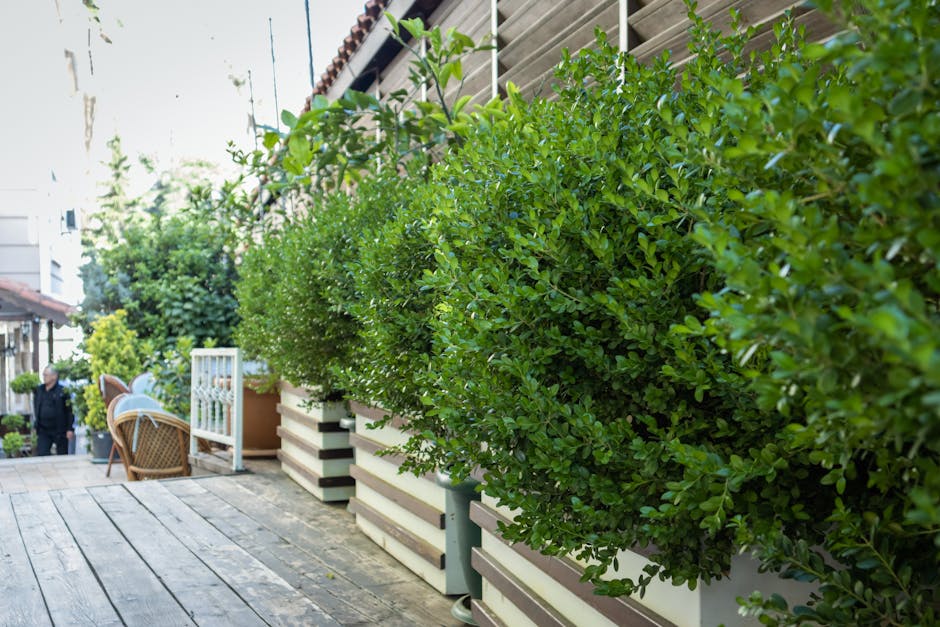
Courtyard gardens and roof gardens look simple from the street, but they're often more technical than a larger back garden. Space is tight, access can be awkward, and the conditions can shift fast. In a courtyard, you may be dealing with shade, reflected heat, limited soil depth, and awkward corners where debris collects. On a roof garden, you also need to think about wind exposure, weight loading, drainage, and safe access. Not exactly a casual Sunday project.
That's why local knowledge matters. Clapham Junction gardeners who work with compact urban spaces understand that the challenge is not just making a garden look pretty. It's making it survive. A well-planned courtyard or roof garden should cope with real-life use: coffee mugs, muddy boots, watering routines, planters that dry out quickly, and the occasional forgotten weekend away.
There's also the local context. Around Clapham Junction, many properties have tight outdoor footprints, shared access, or upper-level terraces where every design decision has to earn its place. A professional gardener helps you avoid the expensive false starts - the plant that sulks in shade, the pot that cracks in frost, the decking area that becomes slippery, or the screen that looks lovely until the first strong gust.
In plain English: this matters because small spaces punish guesswork. A good plan gives you a garden that feels intentional instead of crowded. And that difference is huge.
How Clapham Junction gardeners for courtyard and roof gardens Works
Good courtyard and roof garden work usually starts with a proper site assessment. That means looking at light, shade, drainage, access, structure, storage, and how you want to use the space. Do you want somewhere to sit with a cup of tea? A planting-heavy retreat? A family-friendly terrace that can take a bit of wear? Or something low-maintenance and tidy that simply softens brick and paving?
Once the space is understood, the job usually moves into practical design and maintenance choices. For courtyards, that often means creating structure with planters, climbers, and surface materials that make a small area feel balanced. For roof gardens, the emphasis shifts to lightweight planting systems, wind-tolerant species, secure containers, and surfaces that drain well.
Professionals will also factor in the boring-but-vital stuff. Watering access. Drainage points. Fixings. Soil choice. Seasonal changes. If there's decking, it needs to be checked and maintained carefully; if the area has overgrown edges or awkward foliage, trimming and clearance become part of the wider picture. That's one reason people often combine garden care with services such as garden maintenance, landscaping, or landscape gardening depending on how much transformation is needed.
In real terms, the process is rarely one dramatic overhaul. More often it's a sequence: assess, simplify, improve structure, add plants, protect vulnerable elements, then maintain steadily. Bit by bit. That's how the best small gardens come together.
Key Benefits and Practical Advantages
There's a reason compact garden specialists are in demand. Courtyards and roof gardens can deliver a lot when they're designed well, and the benefits go beyond appearances.
- Better use of limited space: A thoughtful layout turns awkward corners and dead zones into usable areas.
- Lower visual clutter: Fewer, better-chosen elements make the garden feel calmer and more expensive-looking.
- More reliable plant health: The right plants for the conditions are easier to keep alive and looking sharp.
- Improved privacy: Screens, climbers, and layered planting can soften overlooking neighbours without making the space feel boxed in.
- Year-round appeal: Evergreen structure, seasonal interest, and tidy hard landscaping help the garden look good even in winter.
- Safer, easier upkeep: Clear access, sensible materials, and a sensible planting plan reduce maintenance headaches later.
There's also the practical advantage of avoiding repeated rework. A lot of small-space garden problems come from rushing the first decision. A planter is placed where nobody can reach it. A thirsty plant is set in full sun beside a black wall. A roof terrace is filled with too many heavy items. It all looks fine in the showroom, then reality arrives. A proper plan prevents that.
To be fair, one of the best benefits is emotional rather than technical. A courtyard or roof garden can give you a little pause in the day - a patch of green, a place to sit, a bit of movement and texture outside the flat or house. That matters more than people sometimes admit.
Who This Is For and When It Makes Sense
This kind of gardening support is ideal if you own or rent a home with a compact outdoor area and you want it to feel more usable, less fussy, or more polished. It's especially useful if you recognise any of these situations:
- Your courtyard looks tired, bare, or unfinished.
- Your roof garden is windy, dry, or hard to keep alive.
- You want planting that survives holidays and busy weeks.
- You need a garden that works for entertaining, not just looking at.
- You've inherited a space that was planted poorly before.
- You need regular upkeep but do not want constant heavy work.
It also makes sense if your space has structural constraints. Roof gardens, in particular, can't be treated like ground-level plots. Weight matters. Drainage matters. Access matters. And if there is decking, balustrading, raised beds, or fixed storage involved, all of that needs a practical eye. The most successful projects are usually the ones where ambition meets realism. Not glamorous, perhaps, but true.
If you're not sure where your project sits, it can help to compare the options first. Sometimes all you need is routine care and some planting tweaks. Other times the answer is a bigger refresh, perhaps supported by decking services or a more complete redesign.
Step-by-Step Guidance
1. Start with the space, not the shopping list
Before buying plants or furniture, assess the actual conditions. Ask: how much light is there? Where does the wind hit hardest? Where does water drain? Which areas do you naturally walk through, and which areas are really just dead space?
2. Decide what the garden needs to do
A courtyard for morning coffee needs a different layout from a roof terrace used for evening dining. That sounds obvious, but people skip it all the time. A good plan begins with use. Then beauty follows.
3. Simplify the hard landscaping
In small spaces, surfaces have a big visual impact. The wrong paving or cluttered layout can make the area feel even tighter. Clean lines, sensible materials, and a few strong shapes usually work better than too many textures. If existing surfaces are failing, a professional may recommend selective improvements through landscaping.
4. Choose planting by conditions, not by trends
Plants have to earn their keep in a courtyard or on a roof. Go for varieties that suit light levels, exposure, and maintenance expectations. A plant that needs constant cossetting is probably not the one. Climbers, evergreens, grasses, compact shrubs, and container-friendly perennials often do well, depending on the site.
5. Build in maintenance from day one
Maintenance is not an afterthought. It's part of the design. Plan for watering, feeding, deadheading, trimming, and clearing leaves. If you want the garden to stay tidy with less effort, include a practical maintenance schedule or arrange ongoing care through garden maintenance.
6. Check access and safety
On roof gardens, access routes need to be safe and practical. Plan for carrying materials, moving pots, and reaching stored tools without making the space awkward. If the planting is high or the surrounding structure needs attention, services such as tree lopping and removal may be relevant where overhanging growth is affecting light, safety, or clearance.
7. Review, then refine
Small spaces improve through observation. You'll notice the sunny corner that becomes scorching by July, or the damp pocket that never quite dries after rain. Adjust as you go. A garden is allowed to evolve. In fact, it should.
Expert Tips for Better Results
Here's the thing: in compact outdoor spaces, details matter more than scale. A single bad choice is felt immediately. So the best results usually come from careful, slightly conservative decisions rather than flashy ones.
- Use layers. A mix of height, mid-level planting, and ground-level texture gives depth without clutter.
- Keep containers consistent. Too many shapes and colours can make a small space feel scattered.
- Prioritise drainage. Roof gardens and courtyards both suffer when water has nowhere sensible to go.
- Choose wind-tolerant plants for exposed spaces. Leaves get shredded more easily than people expect.
- Leave breathing room. Not every inch has to be filled. Empty space can make a garden feel more elegant, strangely enough.
- Plan seasonal interest. Winter structure, spring freshness, summer colour, autumn texture - the garden should not collapse into one mood.
One small professional habit that pays off: group plants by watering needs. If everything in a courtyard has wildly different demands, upkeep becomes annoying fast. And once upkeep becomes annoying, the garden starts to slide. Nobody wants that. Nobody.
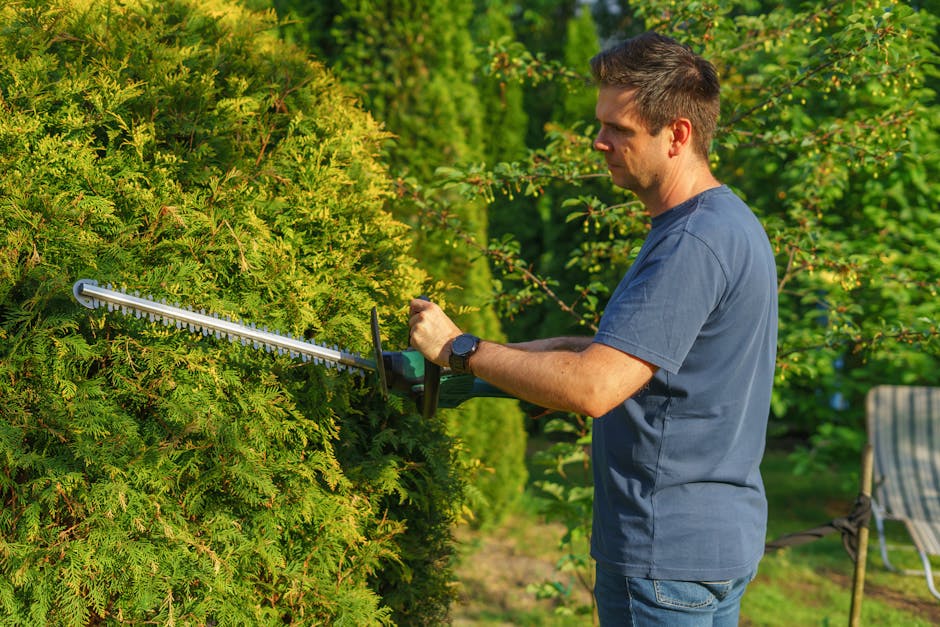
If you like a more disciplined, tidy finish, trimming can make a big difference. A good hedge trimming visit or routine shaping of climbers and shrubs can keep the lines crisp without making the space feel over-managed.
Common Mistakes to Avoid
Some mistakes are harmless. Others cost time, money, and patience. Small gardens tend to amplify the bad ones.
- Overplanting: A young courtyard can quickly become cramped when plants mature.
- Ignoring wind exposure: Roof gardens often need sturdier species and better anchoring than people first assume.
- Using heavy materials without checking suitability: This is especially important on upper-level spaces.
- Choosing high-maintenance plants for a low-maintenance brief: Beautiful, yes. Sustainable, maybe not.
- Forgetting about drainage and runoff: Water needs a route away from the area, not just somewhere to sit and make trouble.
- Skipping maintenance after installation: A lovely space can look tired surprisingly quickly if nobody keeps on top of it.
Another common one is designing for photographs instead of daily life. A garden that only looks good when nobody is using it is, frankly, a bit of a trap. Think about where your feet will go, where the watering can will sit, where leaves will gather in autumn, and where the rubbish bag will leave the space. Unromantic, sure, but useful.
Tools, Resources and Recommendations
You do not need a shed full of kit to care for a courtyard or roof garden, but the right tools make the job much easier. For small urban gardens, the essentials tend to be straightforward:
- Lightweight watering cans or a practical hose setup where access allows
- Hand tools for pruning, deadheading, and tidying
- Quality containers with proper drainage holes
- Free-draining compost or growing medium suited to containers
- Mulch or top dressing to help reduce moisture loss
- Soft ties and supports for climbers or taller stems
For larger tidy-up jobs, it can be sensible to combine routine upkeep with more specific support. A one-off reset often starts with garden clearance, especially if the space has become crowded, weedy, or buried under old pots and broken materials. After that, the ongoing job is much easier.
If your project involves a stronger structural refresh, the team may also draw on landscape gardening to shape the layout, plant selection, and finish. And if you simply want a dependable routine, lawn mowing is useful for any small ground-level pocket of grass, though many courtyards and roof gardens use paving or planters instead.
Recommendation-wise, the best approach is often to start modestly and build. A good small garden is rarely created by overcommitting on day one. It's built from a few decisions that all work together. A little restraint goes a long way.
Law, Compliance, Standards and Best Practice
For courtyard and roof gardens, safety and compliance should be taken seriously, especially where there is elevation, shared access, or significant weight on a structure. You do not need to become an expert in regulations to make sensible decisions, but you should expect a professional garden team to work carefully and to explain any limitations clearly.
In practice, that means checking whether surfaces are suitable, whether access is safe, whether tools and materials can be moved without risk, and whether the work needs to respect building-specific rules or management requirements. On roof spaces, load considerations and drainage are particularly important. If there are concerns about structure or access, a cautious professional will slow things down rather than guess. That's the right instinct.
It's also reasonable to ask about insurance, health and safety, and how a team handles waste. If a company has clear standards around insurance and safety and explains its health and safety policy, that's a good sign. It shows the work is being treated properly, not casually.
Environmental practice matters too. Reusing materials where appropriate, recycling green waste responsibly, and choosing durable planting systems can all reduce waste over time. If sustainability is important to you, look for a team that takes recycling and sustainability seriously, not just as a nice phrase on a page.
And one last practical point: before any significant work begins, check the terms, the payment process, and what happens if the scope changes. Clear expectations avoid awkward conversations later. A simple, tidy agreement is usually better for everyone.
Options, Methods and Comparison Table
There's no single right way to improve a courtyard or roof garden. The best method depends on time, budget, access, and how involved you want to be after the work is done. Here's a simple comparison to help narrow it down.
| Approach | Best for | Typical strengths | Possible drawbacks |
|---|---|---|---|
| Light-touch maintenance | Gardens that are already functional but need regular care | Lower disruption, steady results, less cost than a full redesign | Won't solve deeper design problems |
| Planting refresh | Courtyards or terraces that feel flat, tired, or patchy | Fast visual improvement, flexible, good for seasonal interest | Still depends on the right conditions and watering routine |
| Full layout redesign | Spaces with poor flow, bad surfaces, or awkward use | Best for long-term function and stronger visual impact | More planning, more time, more moving parts |
| Clear-and-reset approach | Overgrown or cluttered spaces that need a fresh start | Removes old problems before rebuilding | Can feel dramatic if you are attached to existing plants or materials |
A lot of homeowners end up choosing a blended approach. That is usually the sensible option, to be honest. Clear out what is failing, keep what still works, and then improve the structure around it. It avoids waste and keeps the project grounded.
Case Study or Real-World Example
Imagine a small Clapham Junction courtyard that had become a bit of a storage area. Two oversized pots, some tired shrubs, a patch of paving with moss at the edges, and a narrow seating area that never really felt inviting. Nothing terrible. Just, well, neglected enough that nobody wanted to sit there for long.
The first step was a tidy-up and a proper reset. The old clutter was removed, the planting was thinned out, and the remaining shrubs were assessed for shape and health. The layout then shifted to create clearer movement through the space. Instead of trying to fill every gap, the garden used a few strong containers, a climber for vertical interest, and a more balanced arrangement of evergreen and seasonal plants.
The result was not a huge transformation in square metres. It was a transformation in feel. The courtyard went from cramped and slightly apologetic to calm and usable. A small bench suddenly made sense. Watering was easier. Dead leaves were easier to collect. Most importantly, the space looked maintained rather than improvised.
A similar pattern often applies to roof gardens. The difference is that the design has to be even more disciplined. In a breezy space, a few sturdy features often work better than lots of delicate ones. Less fuss. More grip. More confidence.
Practical Checklist
Use this checklist if you are planning a new courtyard or roof garden project, or simply deciding whether your existing space needs professional help.
- Check how much sun, shade, and wind the space gets across the day
- Confirm whether the area has any access or load restrictions
- Decide whether the priority is planting, seating, privacy, or low maintenance
- Remove clutter and assess what is worth keeping
- Choose containers and materials that suit the environment
- Group plants by watering and care needs
- Plan for drainage and runoff
- Leave space for movement and cleaning
- Schedule regular trimming, watering, and tidying
- Review insurance, safety, and waste handling before larger work begins
If you can tick most of those off, you are already ahead of the game. If not, no drama. That is exactly where a specialist gardener can help.
For a practical next step, you can compare service details, read more about the team's approach to pricing and quotes, and then decide whether a simple maintenance visit or a fuller redesign is the better fit.
Get a free quote today and see how much you can save.
Conclusion
Courtyard and roof gardens can be some of the most rewarding outdoor spaces to get right. They may be compact, but they ask for thoughtful choices, steady upkeep, and a realistic eye. When those pieces come together, the result can be quiet, elegant, and surprisingly versatile.
If you are choosing Clapham Junction gardeners for courtyard and roof gardens, focus on practical experience, clear communication, and a design that fits the space rather than fighting it. That is what turns a tricky patch of outdoor area into somewhere you actually want to use - morning, evening, and those slightly grey London afternoons when a bit of green feels like a small luxury.
And honestly, that is the whole point.
Frequently Asked Questions
What do Clapham Junction gardeners for courtyard and roof gardens actually do?
They assess small outdoor spaces, improve planting and layout, handle maintenance, and solve the practical issues that come with tight access, shade, wind, or limited soil depth. In roof gardens, they also think carefully about drainage, containers, and safe working methods.
Are courtyard gardens harder to maintain than regular gardens?
Often, yes. Small spaces can be more demanding because there is less room for error. Plants dry out faster in pots, awkward corners collect debris, and every design mistake is more visible. The upside is that good maintenance is usually quicker once the space is properly set up.
Can roof gardens support normal garden plants?
Some can, but not all. Roof gardens usually need more resilient, container-friendly planting because conditions are windier, drier, and more exposed. It is better to choose plants for the actual site than to force a plant palette that belongs in a sheltered ground-level border.
How often should a courtyard or roof garden be maintained?
That depends on the planting and the season, but many compact gardens benefit from regular attention rather than occasional big jobs. A little and often approach usually works best, especially for watering, trimming, and removing leaf litter before it piles up.
What is the biggest mistake people make with small gardens?
Overfilling them. People often try to include too many plants, too many materials, or too many features. The result is clutter. Small gardens usually look better when the layout is simplified and each element has a clear purpose.
Do roof gardens need special safety checks?
Yes, they should be treated carefully. Access, load capacity, drainage, and secure placement of materials all matter. A competent gardener should not guess where safety is concerned. If there is any doubt, the work should be assessed properly before it begins.
How can I make a courtyard feel bigger?
Use fewer, stronger features; keep the colour palette calm; introduce vertical planting; and avoid overcrowding the floor area. Reflective or light surfaces can help too, but the biggest difference usually comes from a tidy layout and a clear sense of structure.
Are low-maintenance roof gardens possible?
Yes, absolutely. The trick is to choose resilient planting, use durable materials, keep the design simple, and plan for easy watering. Low maintenance does not mean no maintenance, but it can be very manageable with the right setup.
What should I ask before booking a garden service for my roof terrace?
Ask about experience with elevated spaces, insurance, safety procedures, waste removal, maintenance options, and what is included in the quote. It also helps to ask how they approach drainage, container choice, and access constraints.
Can a neglected courtyard be restored without starting from scratch?
Very often, yes. A lot depends on what is still healthy and what has gone past the point of saving. Some spaces only need clearance, cutting back, replanting, and a better maintenance routine. Others need a more complete reset. A good gardener will tell you which is which.
Is decking a good idea in a roof garden or courtyard?
It can be, if it suits the space and is installed properly. Decking can warm up a courtyard visually and help define seating areas, but it also needs maintenance and sensible drainage. If it starts to fail, it will show quickly, so the quality of the work matters.
How do I know whether I need design help or just maintenance?
If the space already works but needs tidying, trimming, and regular care, maintenance may be enough. If the layout feels awkward, the planting keeps failing, or the area never feels comfortable to use, design support is probably the better option. A short site review usually makes that clear quite quickly.